
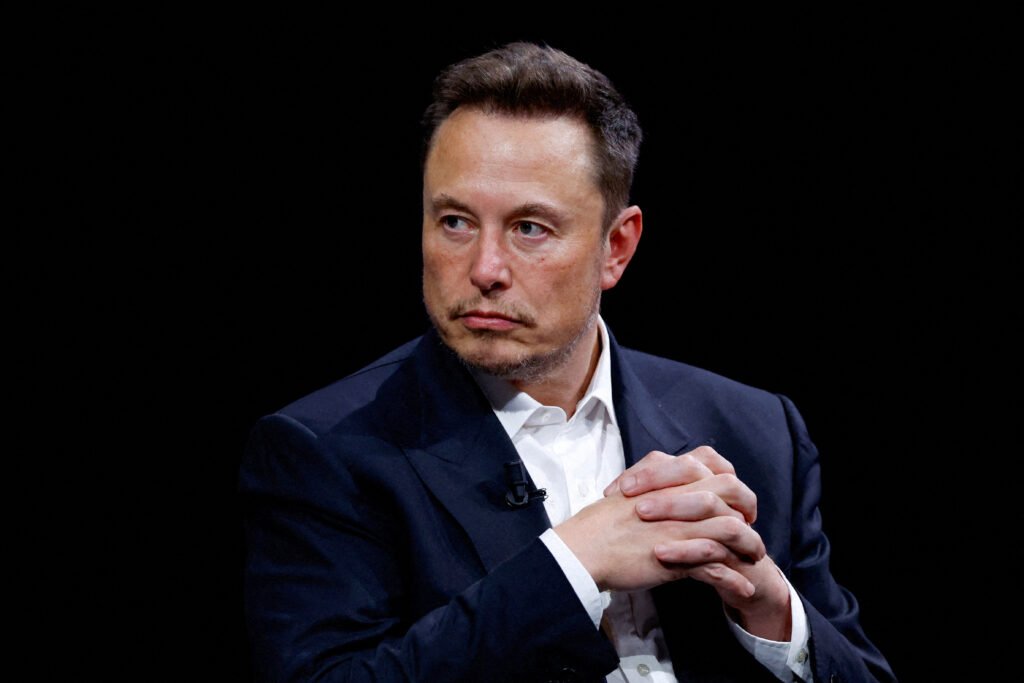
In the ever-evolving world of social media, Twitter has emerged as a platform for open dialogue, connecting individuals and sparking global conversations. However, recent events have cast a shadow over the platform’s future, as Elon Musk’s acquisition and his subsequent actions have ignited a heated debate about free speech, moderation, and the role of advertisers.
A Rift with Advertisers
Following Musk’s takeover, several major advertisers, including Disney, IBM, and Warner Bros., decided to pause their advertising on Twitter. Their decision stemmed from concerns over the spread of misinformation and hate speech, which they feared could tarnish their brand reputations.
Musk, unwavering in his commitment to absolute free speech, responded with a defiant stance. During an interview at the New York Times DealBook Summit, he dismissed advertisers’ concerns and asserted that those who had left the platform should “go f***” themselves.
The Free Speech Paradox
Musk’s staunch support for free speech is admirable. Open communication and unfettered expression are the cornerstones of a healthy society. However, the line between free speech and harmful content can be blurry, and an entirely unregulated platform can quickly become a breeding ground for toxicity.
While Musk believes in allowing all voices to be heard, regardless of their content, the unchecked spread of misinformation, hate speech, and abusive content can alienate users and create a hostile environment.
Striking a Delicate Balance
The future of Twitter hinges on Musk’s ability to strike a balance between free speech and responsible moderation. This delicate balancing act requires careful consideration of the platform’s impact on society and the potential consequences of an entirely unregulated environment.
Twitter, with its vast reach and diverse user base, has a responsibility to foster a community that is inclusive, respectful, and conducive to meaningful discourse. While absolute free speech is an aspirational goal, it should not come at the expense of responsible platform governance.
Navigating the Way Forward
Moving forward, Twitter must implement robust content moderation policies, invest in AI-powered tools to detect and flag harmful content, and promote respectful dialogue among users. This concerted effort will help rebuild trust with advertisers and users alike, ensuring that Twitter remains a platform for open communication while upholding its commitment to a positive online experience.
Elon Musk’s leadership will be crucial in shaping Twitter’s future. His ability to navigate the complex landscape of free speech, moderation, and platform governance will determine whether Twitter can become a beacon of constructive dialogue amidst the ever-changing digital landscape.